
Keak remembers what matters
The more you use Keak, the more it knows you. All of it stays on your computer.
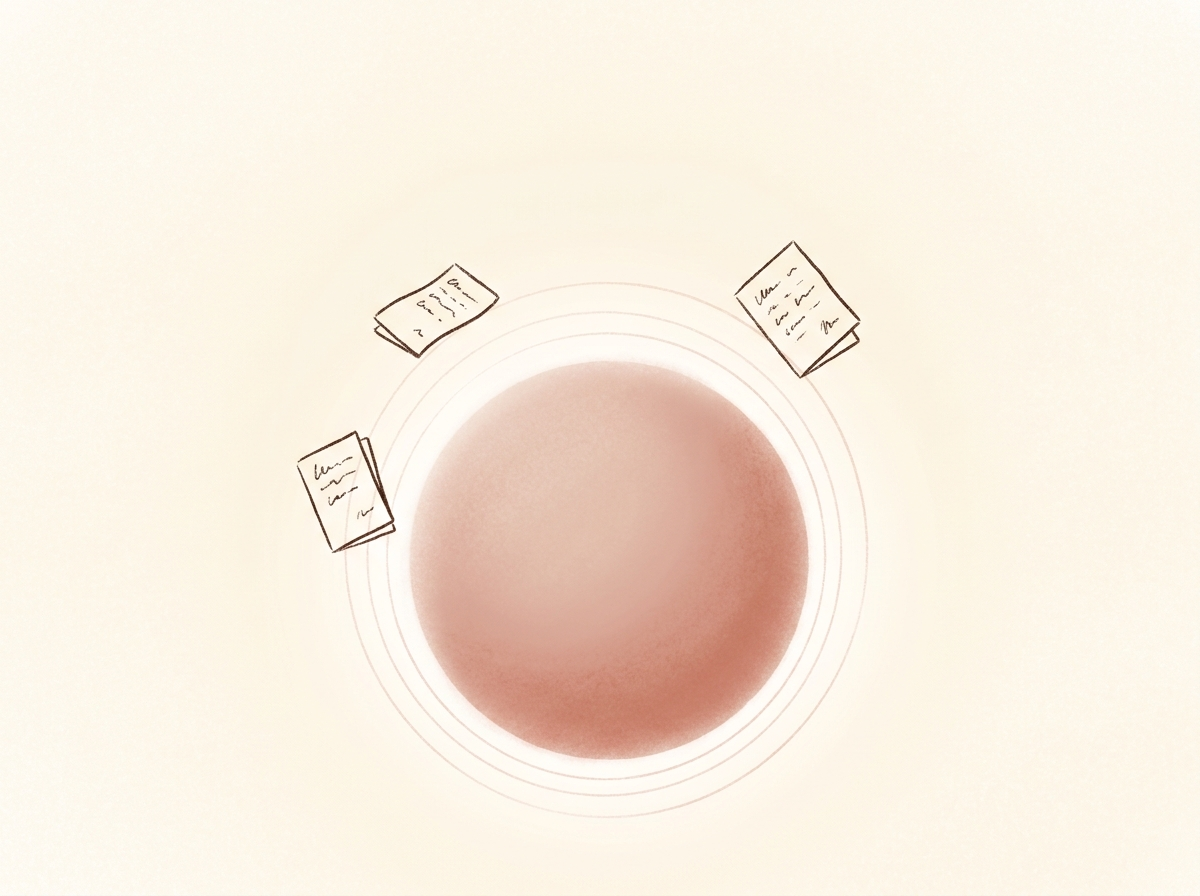
The problem with most AI tools is that every conversation starts from zero. You explain who you are, what you do, who your co founder is, how you like to write, and by the time you are done setting the scene, the actual question is a footnote. Memory is our attempt to fix that.
What Keak quietly remembers
The more you use Keak, the more it knows you. Not in a creepy way. In a helpful way. It picks up how you like to write, the names of the people you talk about, the projects you are working on, the little words and phrases that are yours. It builds a quiet picture of you over time so that every question you ask lands in context.
You can see all of it
Memory is not a black box. You can open it whenever you want and see exactly what Keak remembers. Edit anything. Delete anything. Wipe the whole thing if you feel like starting over. There is no hidden training file, no secret profile you cannot touch. If you can see it, you can change it.
It stays on your computer
All of it lives on your machine. Nothing about you goes to us. When Keak needs to give your AI context, that context is assembled locally and sent to the AI you connected. That is it. Your memory is yours, in the same way your Documents folder is yours.
The compounding effect
The best part is that Keak gets better the longer you use it. Week one it is a useful voice assistant. Month three it feels like something that actually gets you. That compounding is the whole point. Software that learns you should belong to you.